
Emergency Water Extraction
Standing water pumped and vacuumed out of carpet, pad and floors, day or night.
View service (720) 731-0398
A large share of Castle Rock homes have basements, and many are finished with carpet, drywall and a bedroom or two. When water gets down there, it spreads fast and dries slowly.
Castle Rock Water Damage Pros is a free referral service, not a restoration company. Calls are answered by independent local providers who set their own prices.

Basement flood cleanup in Castle Rock removes water from the basement floor, carpet and pad, cuts out wet drywall and insulation where needed and dries the concrete and framing with dehumidifiers and air movers. The cause, such as a failed sump pump, burst line or window well, has to be fixed too.
Basement cleanup starts with removing water, often with a submersible pump first and extractors after. Carpet is lifted or pulled back so the pad can be removed and the concrete can dry. Drywall that wicked water is cut out a little above the wet line, and wet insulation is removed. Dehumidifiers do most of the work, because basements are cool and the concrete slab releases moisture slowly.
If the water came from a drain, it is sewage and handled as sewage cleanup.
Burst line, water heater, sump, window well or drain.
Pumps and extractors take out water from floors and carpet.
Wet pad, drywall and insulation removed as needed.
Equipment runs until concrete and framing test dry.
Damp carpet along an exterior wall.
A puddle around the base of the tank.
Water standing in a window well or seeping at the window.
Or not running at all when the pit is full.
White chalky lines on concrete walls.
Basement wet after a storm? Talk it through on the phone.Open 24/7 · Talk to a local provider in Castle Rock
Call 24/7 (720) 731-0398The most common causes are inside the house: a water heater that leaks or ruptures, a washing machine hose, a burst supply line or a sump pump that failed. From outside, intense summer storms can fill window wells and push water through window frames, and downspouts that empty against the foundation saturate the soil. Douglas County has areas of expansive clay soil, which swells when wet; homes here are often built with drainage systems and sump pits for that reason, and keeping them working matters.
Test your sump pump each spring by pouring a bucket of water into the pit. The pump should start, empty the pit and shut off. If it does not, have it checked before the summer storm season.
Insurers draw a hard line between water that came from inside the house, like a burst pipe, and flood water that came from outside over the ground. Most standard homeowner policies cover the first and exclude the second, which needs a flood policy through FloodSmart (NFIP) or a private insurer. Sump pump overflow is often a separate optional endorsement. Ask your insurer which applies before work starts.
Water on the floor right now? Call (720) 731-0398 for a local provider.Open 24/7 · Talk to a local provider in Castle Rock
Call 24/7 (720) 731-0398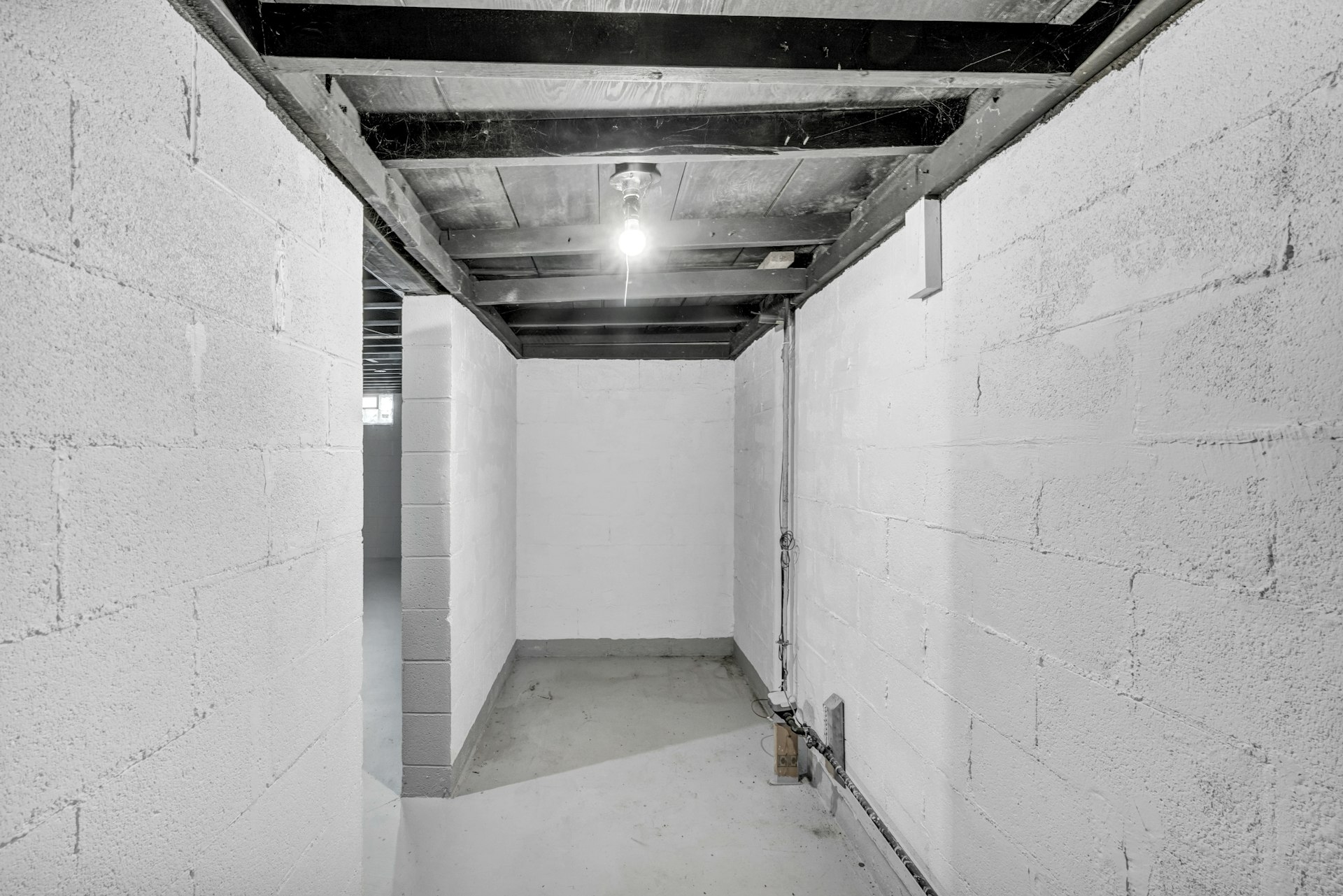
Furnace, water heater and electrical panel are checked for water before anyone works near them.
Pipe, appliance, sump, window well or drain identified and stopped.
Carpet, pad, walls and stored items checked and photographed.
What comes out, what dries in place and how long it will take.
Pipe burst in the cold snap? Shut the main valve, then call.Open 24/7 · Talk to a local provider in Castle Rock
Call 24/7 (720) 731-0398| Source | Clue | Next step |
|---|---|---|
| Water heater | Water around the tank base | Shut off water to the tank; plumber replaces it |
| Washing machine | Wet floor behind the washer | Replace hoses with braided steel |
| Sump pump failure | Pit full, pump silent | Repair or replace pump; consider a backup |
| Window well | Water at a basement window after rain | Clear drain, add a cover |
| Floor drain backup | Dirty water from the drain | Treat as sewage; call a drain contractor |
| Factor | Why it matters | What to ask on the call |
|---|---|---|
| Square footage wet | How much floor and wall area the water reached | How many rooms and which floors? |
| Category of water | Clean supply water, grey water or sewage | Which category is this and why? |
| Materials removed | Carpet pad, drywall, baseboard or insulation that cannot be saved | What will be removed, and what can dry in place? |
| Drying days | How many days air movers and dehumidifiers run | How will you show the readings each day? |
| Finished or unfinished | Carpet, walls and rooms involved | Which rooms will be torn out? |
A water heater that ruptures can put dozens of gallons on the floor in minutes. Close the water to the tank or the main valve, turn off the heater's power or gas if you can do it safely, and call (720) 731-0398. Local providers answer 24 hours a day.
Basement wet after a storm? Talk it through on the phone.Open 24/7 · Talk to a local provider in Castle Rock
Call 24/7 (720) 731-0398If water has reached the furnace, water heater or electrical panel, stay out of the basement and call. Gas appliances that have been under water must be checked before they are used again.
Before any basement flood cleanup work in Castle Rock, ask whether the company is registered with the Town, see the Town contractor registration page, and whether the technicians hold IICRC certification. Colorado has no statewide general contractor license, so the Town's registration and the company's own certifications and insurance are what you can check. Ask for proof of liability insurance too.
Finished basements have the most to lose: carpet, pad, drywall, trim, doors and often furniture. They are also where mold appears first, because the air is cooler and the walls sit against concrete. Drywall that has been wet for more than a day or two should be checked carefully, and if there is a musty smell, see mold remediation.
Water on the floor right now? Call (720) 731-0398 for a local provider.Open 24/7 · Talk to a local provider in Castle Rock
Call 24/7 (720) 731-0398Cardboard boxes on a basement floor soak up water and fall apart. Plastic bins on shelves a few inches above the floor protect what is inside and let air reach the concrete. It is a small change that saves a lot after the next leak.
Many Colorado homes have a radon mitigation system with a pipe through the basement floor. If water damage work touches that pipe or the sealed sump lid, ask the provider to restore the seal so the system keeps working.
Most calls for water damage restoration in Castle Rock involve a basement at some point, because water runs down. Even a leak on the main floor can end up in the basement ceiling and walls. Cleaning up the basement well, and drying the slab and bottom plates, is what prevents a second problem months later.
Pipe burst in the cold snap? Shut the main valve, then call.Open 24/7 · Talk to a local provider in Castle Rock
Call 24/7 (720) 731-0398Upholstered furniture, mattresses and boxes of paper soak up water. Clean water losses caught early may allow some items to be dried or cleaned; anything soaked by a floor drain backup is usually discarded. Make a list with photos for your insurer before anything is thrown away.
Many finished basements in Castle Rock have a bedroom with an egress window and a larger window well. Those wells collect more water in storms. Keep the drain at the bottom clear and the cover in place, and check the window seal each spring.
Once the basement is dry, put storage on shelves and in plastic bins, keep a gap between boxes and walls and leave the area around the water heater, furnace and sump pit clear. It makes the next leak easier to spot and cheaper to fix.
Basement wet after a storm? Talk it through on the phone.Open 24/7 · Talk to a local provider in Castle Rock
Call 24/7 (720) 731-0398If the source was a water heater, a supply line or a drain, a licensed plumber should repair it before the basement is rebuilt. Colorado plumbers are licensed by the State Plumbing Board.
Common causes are full window wells, gutters that dump next to the foundation, soil that slopes toward the house and a sump pump that cannot keep up.
Water from a burst pipe often is. Groundwater and surface flooding usually are not. Sump pump backup is often an optional add-on.
With clean water caught quickly, sometimes. The pad is usually replaced.
Usually three to seven days, longer if water sat on concrete for days.
Standing water pumped and vacuumed out of carpet, pad and floors, day or night.
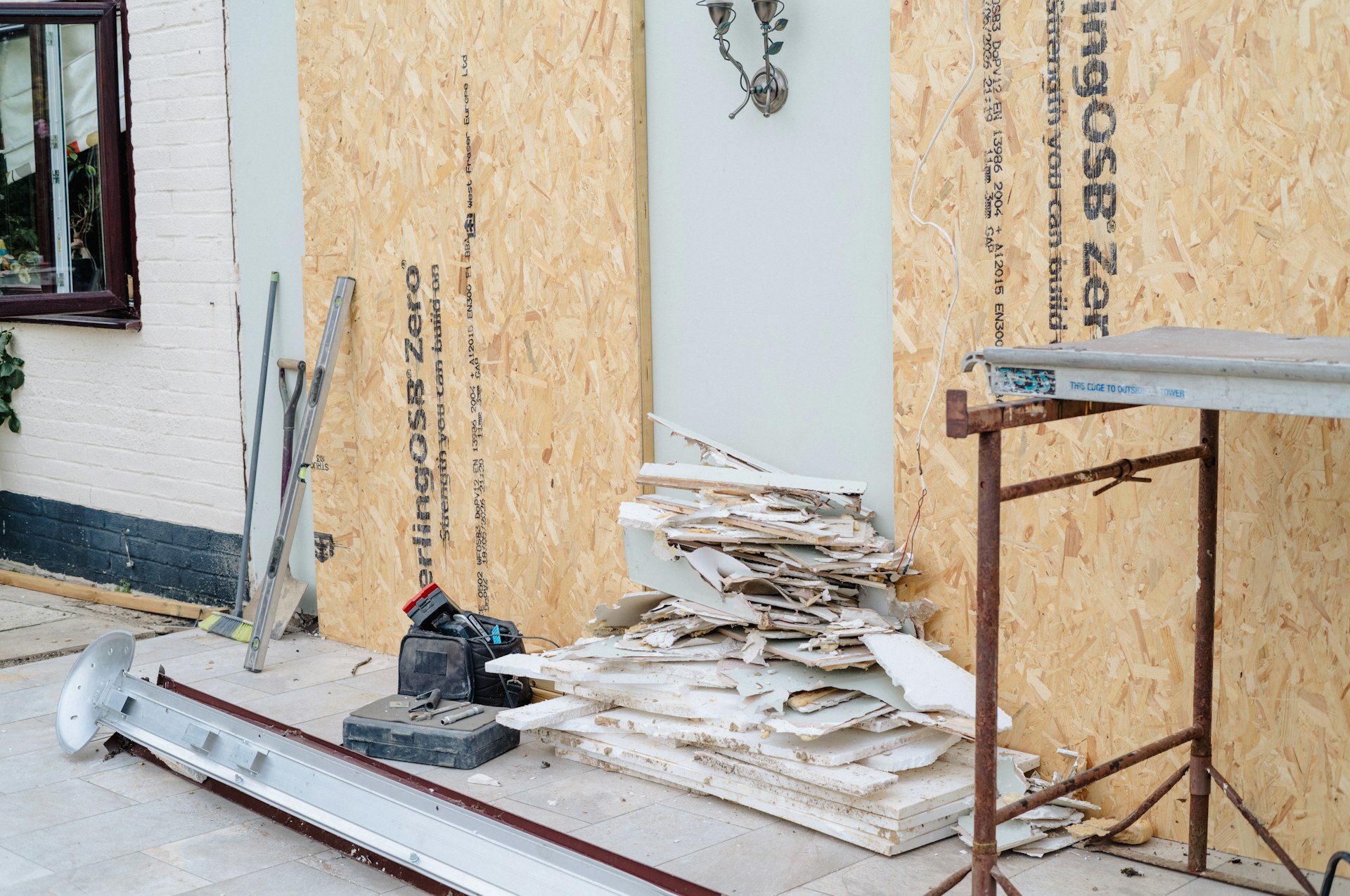
Wet drywall, floors and trim assessed, removed where needed and put back.

Air movers and dehumidifiers dry walls, subfloors and framing, checked with meters.
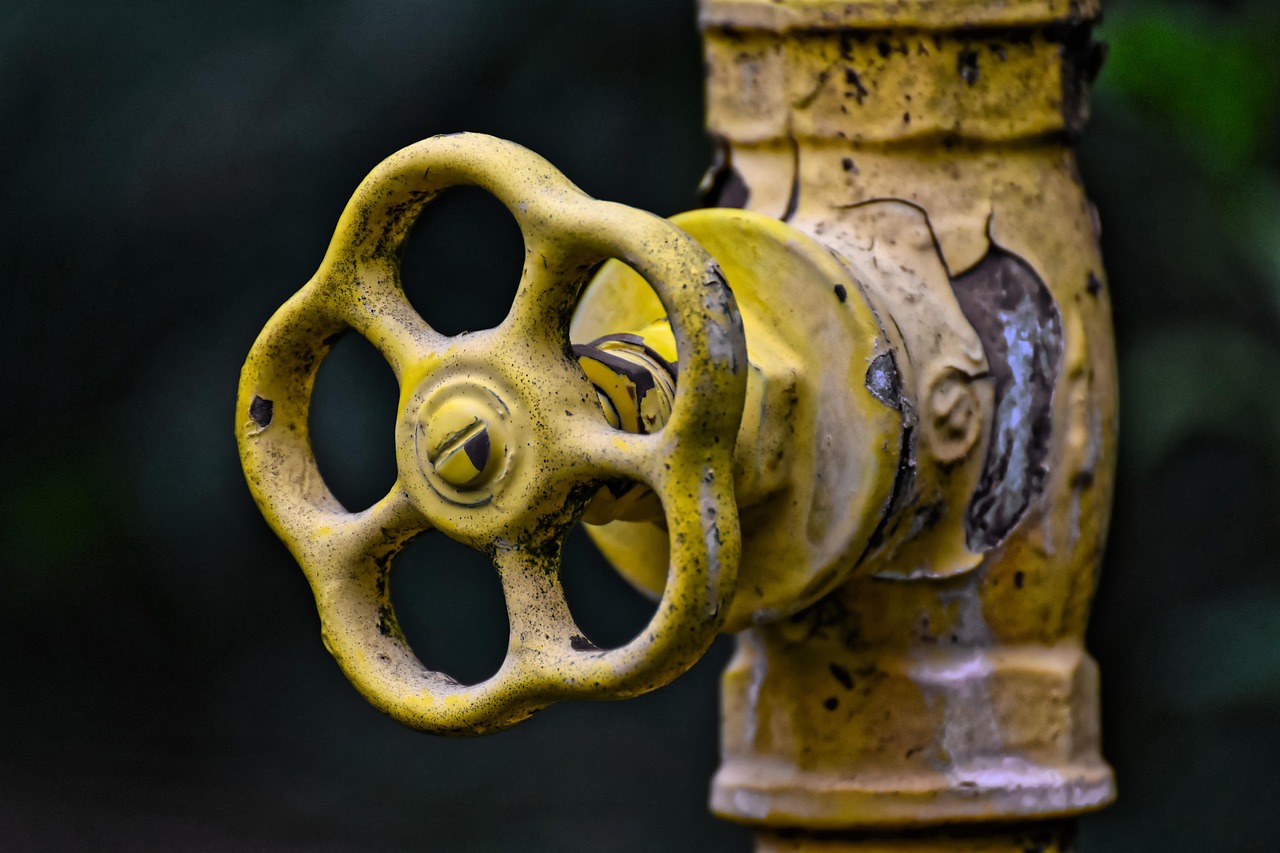
A pipe split in a cold snap? Water stopped, cleaned up and dried.
Mold that followed a leak contained, removed and the cause fixed.
Sewage from a floor drain or toilet cleaned up safely, with affected materials removed.

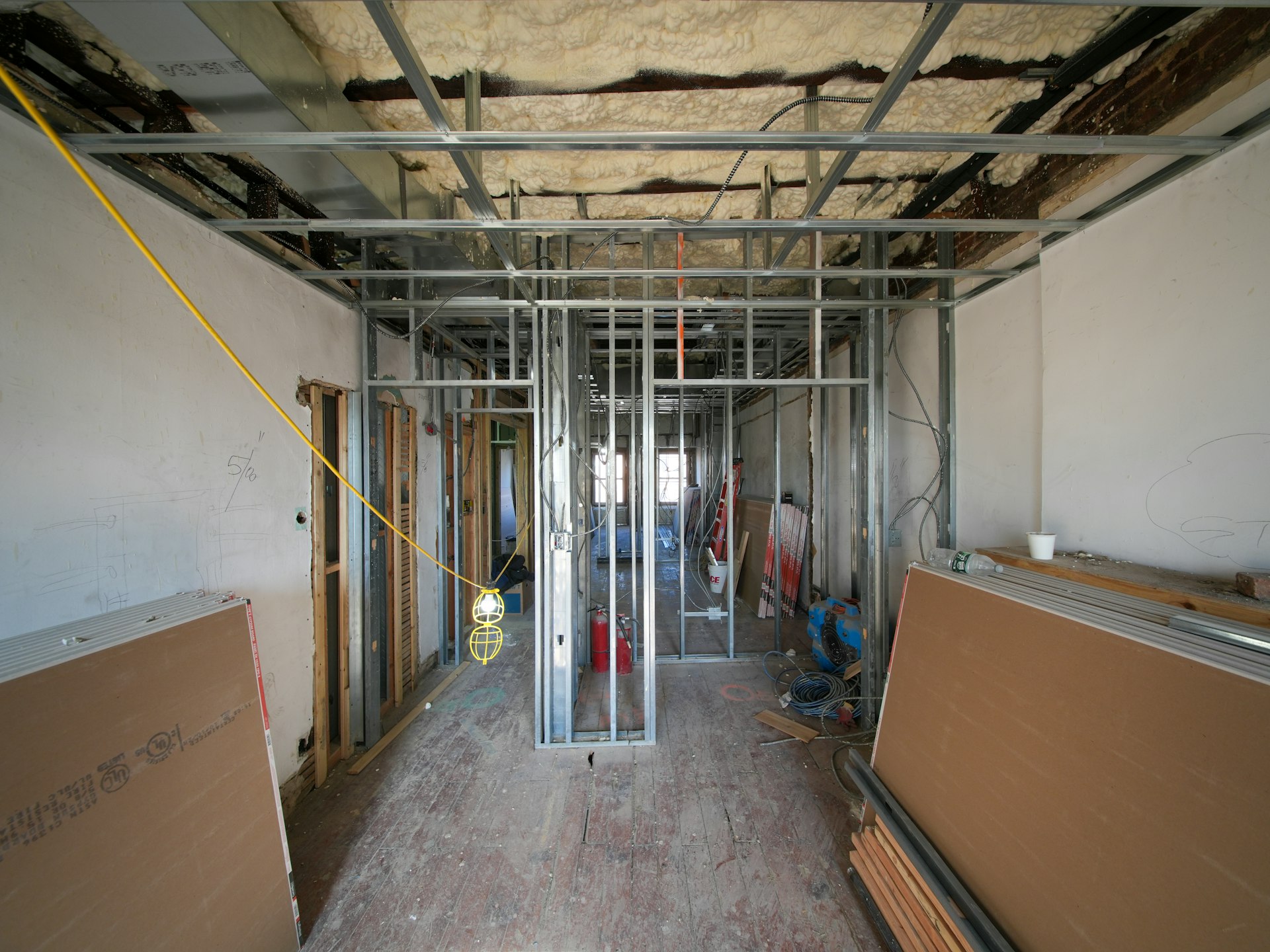
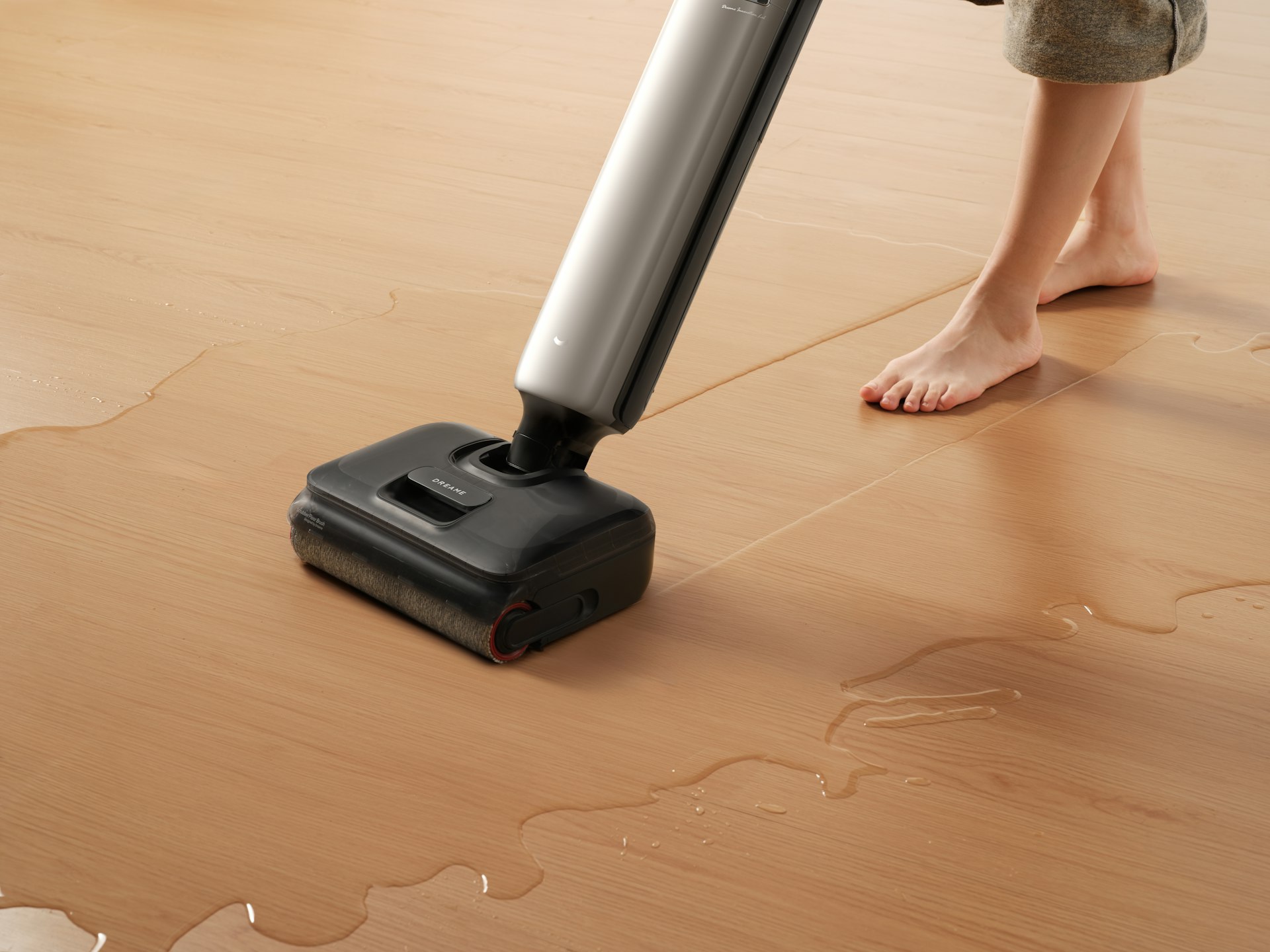
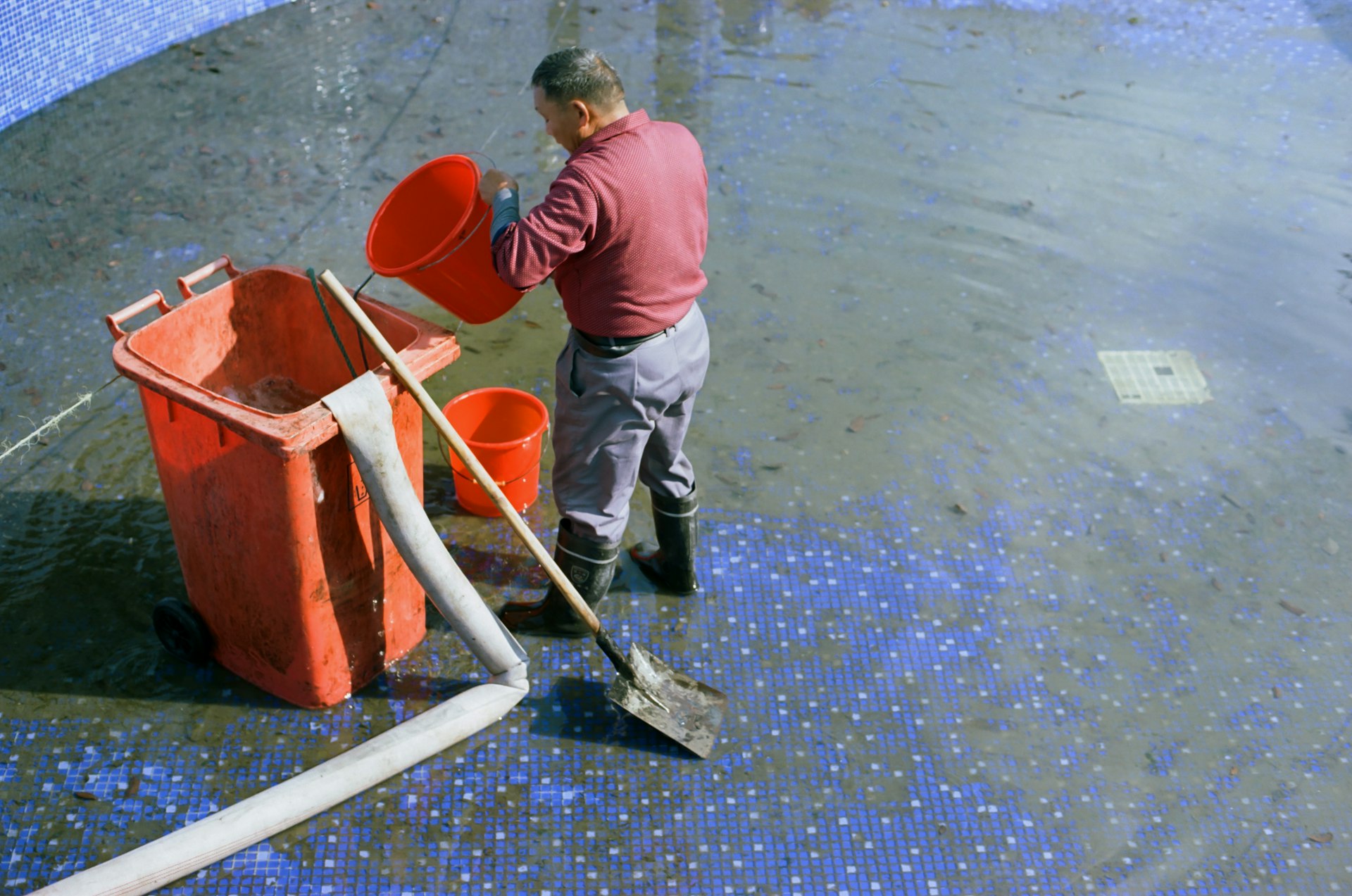
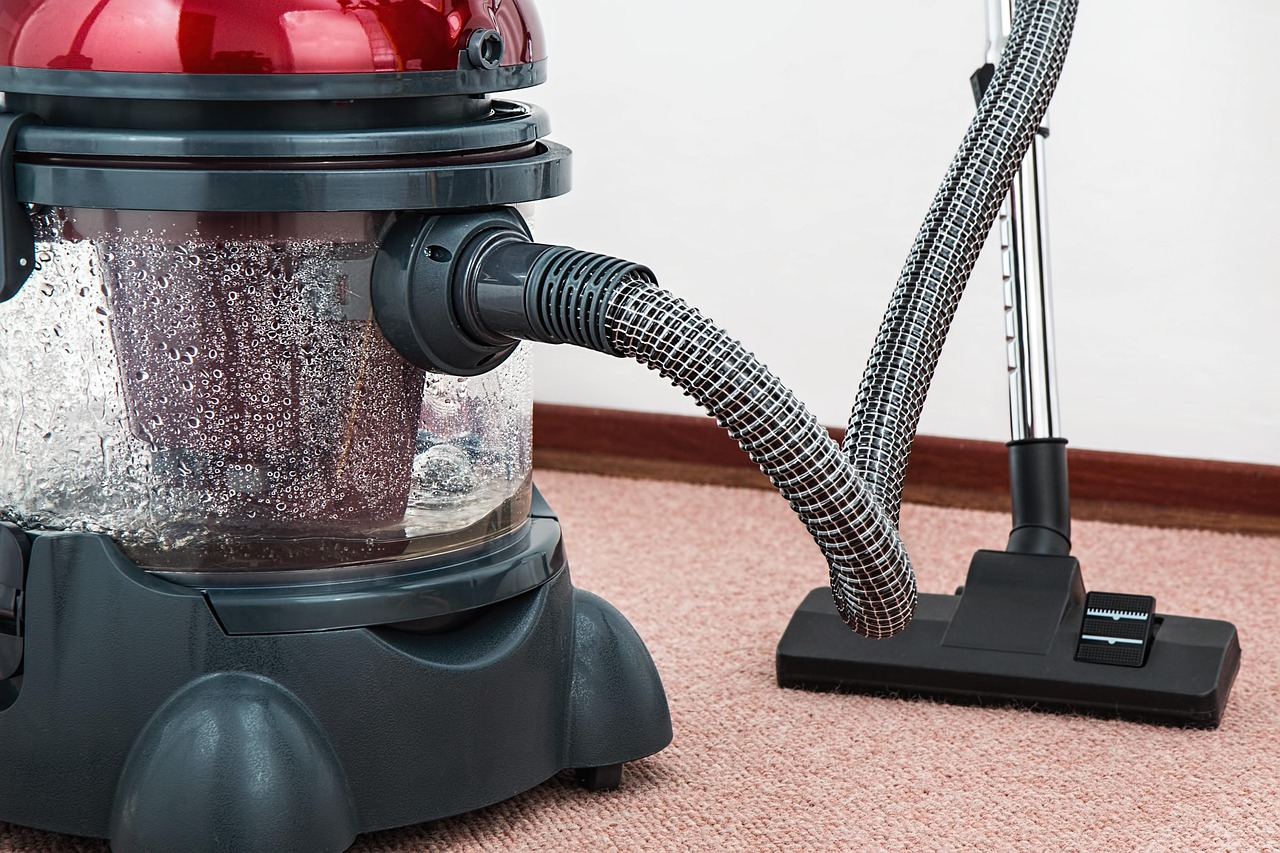
Representative photos of the kind of work local providers handle.
Talk to a local provider
One call connects you with an independent water damage restoration company that works in Castle Rock. They explain what they would do and how the price is set before anything starts.
(720) 731-0398