
Emergency Water Extraction
Standing water pumped and vacuumed out of carpet, pad and floors, day or night.
View service (720) 731-0398
Mold follows water. A slow leak under a sink, a basement that never fully dried or a roof leak in the attic can all lead to growth that has to be removed safely.
Castle Rock Water Damage Pros is a free referral service, not a restoration company. Calls are answered by independent local providers who set their own prices.
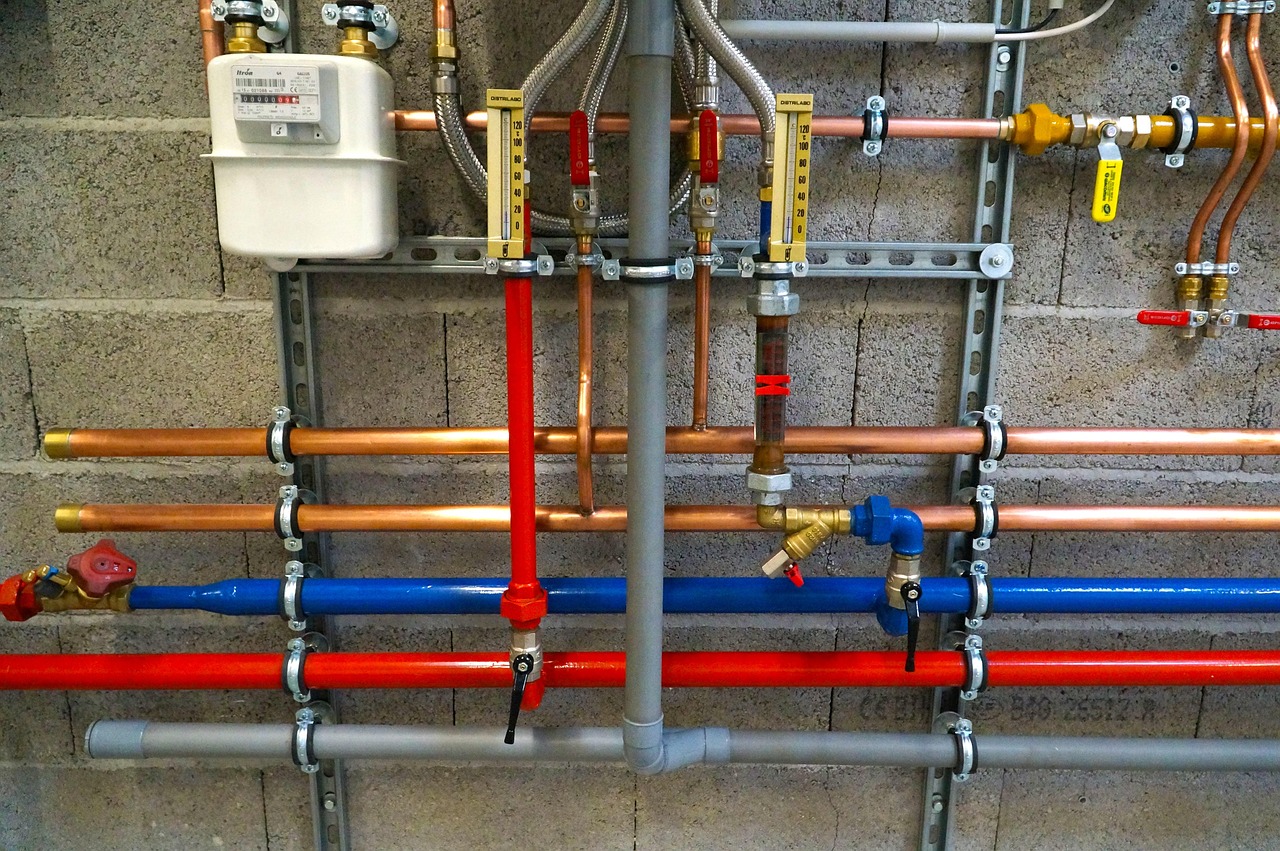
Mold remediation in Castle Rock removes mold growth from a home after water damage. The work sets up containment to stop spores spreading, removes affected materials such as drywall and insulation, cleans framing, and dries the area. Fixing the moisture source is part of the job, or the mold comes back.
Mold remediation is the controlled removal of mold growth. The area is closed off with plastic sheeting and often put under negative air pressure with an air scrubber that filters the air and vents it outside, so spores do not spread to the rest of the house. Workers wear protective gear. Porous materials with growth, such as drywall, insulation and carpet pad, are cut out, bagged and removed. Framing is cleaned and, where needed, sanded. HEPA vacuuming and wiping finish the cleanup.
The cause has to be fixed and the area dried, often with structural drying, before the space is rebuilt.
Find the growth and the moisture source behind it.
Plastic sheeting and air filtration keep spores in the work area.
Moldy materials removed; framing cleaned and HEPA vacuumed.
Area dried, checked and ready to rebuild.
An earthy smell that does not go away.
Black, green or white spots, often near the floor or ceiling.
Brown rings or spreading stains.
Paint bubbling on a wall that was wet.
Stuffy nose or coughing that improves away from home.
Water on the floor right now? Call (720) 731-0398 for a local provider.Open 24/7 · Talk to a local provider in Castle Rock
Call 24/7 (720) 731-0398Castle Rock's dry air helps keep mold down, but mold still grows wherever water sits. The usual places are under kitchen and bathroom sinks with slow drips, behind washing machines and dishwashers, in finished basements after a leak that was not fully dried, around windows with condensation in winter, and in attics after hail damage or ice dams let water through the roof. Bathroom fans that vent into the attic instead of outside can also lead to growth on the roof sheathing.
If you find a small patch of mold, do not scrub it dry or run a fan at it. That spreads spores. Mist it lightly to keep spores down, close the door and call.
The EPA mold guidance suggests homeowners can handle small areas, roughly up to 10 square feet, on non-porous surfaces. Call a professional for larger areas, for mold inside walls or ceilings, for mold after sewage or contaminated water, for mold in heating and cooling ducts, or if anyone in the home has asthma, allergies or a weakened immune system.
Pipe burst in the cold snap? Shut the main valve, then call.Open 24/7 · Talk to a local provider in Castle Rock
Call 24/7 (720) 731-0398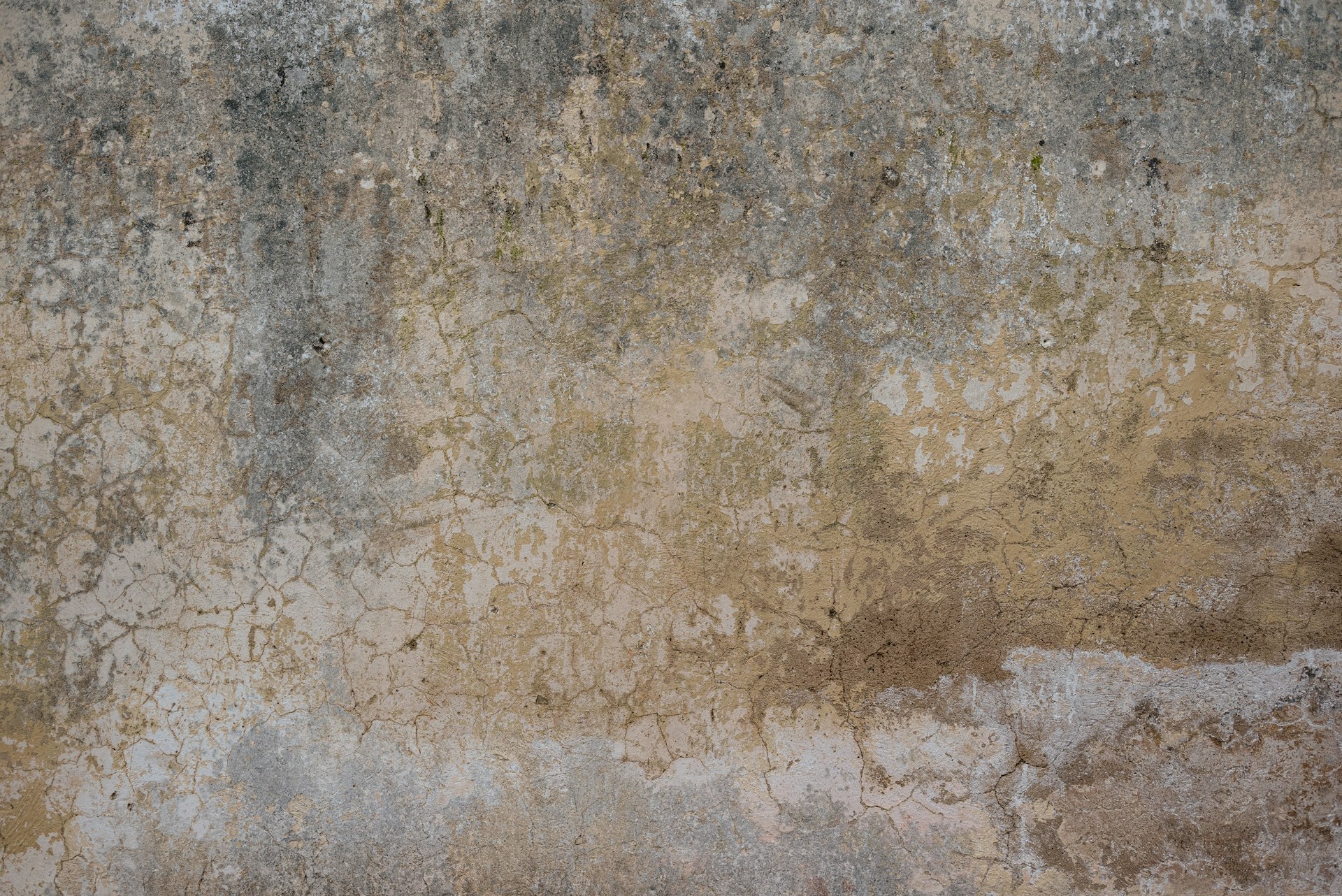
Visible growth is located and the moisture source behind it is identified.
Where plastic walls and air filtration will go, and which rooms stay usable.
Which materials will be removed and how framing will be cleaned.
How the area will be checked before it is closed up, including any testing you want.
Basement wet after a storm? Talk it through on the phone.Open 24/7 · Talk to a local provider in Castle Rock
Call 24/7 (720) 731-0398| Material | Usual approach | Why |
|---|---|---|
| Drywall | Cut out and replaced | Mold grows into the paper and gypsum |
| Insulation | Removed | Cannot be cleaned |
| Wood framing | Cleaned, sanded, HEPA vacuumed | Surface growth can be removed |
| Carpet and pad | Usually removed | Hard to clean deep growth |
| Tile, glass, metal | Cleaned | Non-porous surfaces clean well |
| Factor | Why it matters | What to ask on the call |
|---|---|---|
| Area affected | Square feet of growth and rooms involved | How large is the containment? |
| Location | Inside walls, attic, crawlspace or HVAC | What has to be opened? |
| Materials removed | Drywall, insulation, carpet | What will be removed and replaced? |
| Moisture source | Leak repair needed first | Who fixes the source? |
| Testing | Before or after testing if requested | Is testing needed, and by whom? |
If water damage happened in the last day or two, quick drying can stop mold before it starts. Call (720) 731-0398 for water extraction and drying. If growth is already visible, ask about remediation on the same call.
Water on the floor right now? Call (720) 731-0398 for a local provider.Open 24/7 · Talk to a local provider in Castle Rock
Call 24/7 (720) 731-0398Do not paint over mold or cover it with new drywall. It keeps growing underneath, and the next repair is bigger.
Before any mold remediation work in Castle Rock, ask whether the company is registered with the Town, see the Town contractor registration page, and whether the technicians hold IICRC certification. Colorado has no statewide general contractor license, so the Town's registration and the company's own certifications and insurance are what you can check. Ask for proof of liability insurance too.
Testing is not always needed before remediation; if you can see mold, it needs to come out. Testing is useful when you smell mold but cannot find it, or after the work to confirm the area is clean. Some homeowners hire an independent tester so the company that removes the mold is not the one grading its own work.
Pipe burst in the cold snap? Shut the main valve, then call.Open 24/7 · Talk to a local provider in Castle Rock
Call 24/7 (720) 731-0398Buyers' inspectors in Douglas County often note signs of past water and mold, especially in finished basements. Keeping records of remediation, the cause that was fixed and any clearance test helps when you sell.
Mold needs moisture. Fix drips quickly, vent bathroom fans outside, keep basement humidity reasonable, and dry any leak within a day or two. In winter, watch for condensation on windows and wipe it off.
Mold remediation often follows a leak that was not dried in time, which is why fast water damage restoration in Castle Rock is the best prevention. When remediation is needed, the moisture source is fixed first, then the mold is removed and the area dried before anything is rebuilt.
Basement wet after a storm? Talk it through on the phone.Open 24/7 · Talk to a local provider in Castle Rock
Call 24/7 (720) 731-0398In Castle Rock, attics take on water after hail damages shingles or when snow melts and refreezes at the eaves. Wet insulation can hide growth on the underside of the roof deck. A flashlight check of the attic after a big storm, looking for dark stains and damp insulation, catches problems early.
If mold is near the furnace, air handler or ducts, tell the provider. Running the system can carry spores through the house. Some cases need duct cleaning or replacement by a heating contractor, coordinated with the remediation.
Most remediation jobs allow families to stay home, with the work area sealed off. If the affected area is large, near bedrooms or anyone in the home has breathing problems, ask the provider whether a short stay elsewhere makes sense.
Water on the floor right now? Call (720) 731-0398 for a local provider.Open 24/7 · Talk to a local provider in Castle Rock
Call 24/7 (720) 731-0398Remediation is not spraying a product on mold and leaving it. It is containment, removal of affected materials, cleaning and drying, along with fixing the moisture source. Be cautious of offers that skip those steps.
If a leak happened recently and mold has not yet appeared, quick structural drying is the best way to stop it. Drying within 24 to 48 hours, as the EPA mold guidance advises, prevents most growth.
Keep the remediation scope, photos, the fix for the moisture source and any clearance results. Buyers and their inspectors often ask about past mold in Douglas County homes, and records answer the question.
Pipe burst in the cold snap? Shut the main valve, then call.Open 24/7 · Talk to a local provider in Castle Rock
Call 24/7 (720) 731-0398Ask how they contain the work area, whether they use air filtration with HEPA filters, what personal protective equipment their crew wears, how they dispose of moldy materials and how they confirm the job is finished. Ask whether they are registered with the Town of Castle Rock for any rebuilding work.
The EPA says small areas, under about 10 square feet, can often be cleaned by the homeowner. Larger areas, or mold in walls or HVAC, call for a professional.
Bleach is not recommended for porous materials like drywall. Moldy drywall and insulation are usually removed.
If you can see or smell mold, testing is often not needed to start removing it. Testing can help after the work to confirm the result.
Colorado has no state mold remediation license. Ask about IICRC training and the company's insurance.
Standing water pumped and vacuumed out of carpet, pad and floors, day or night.
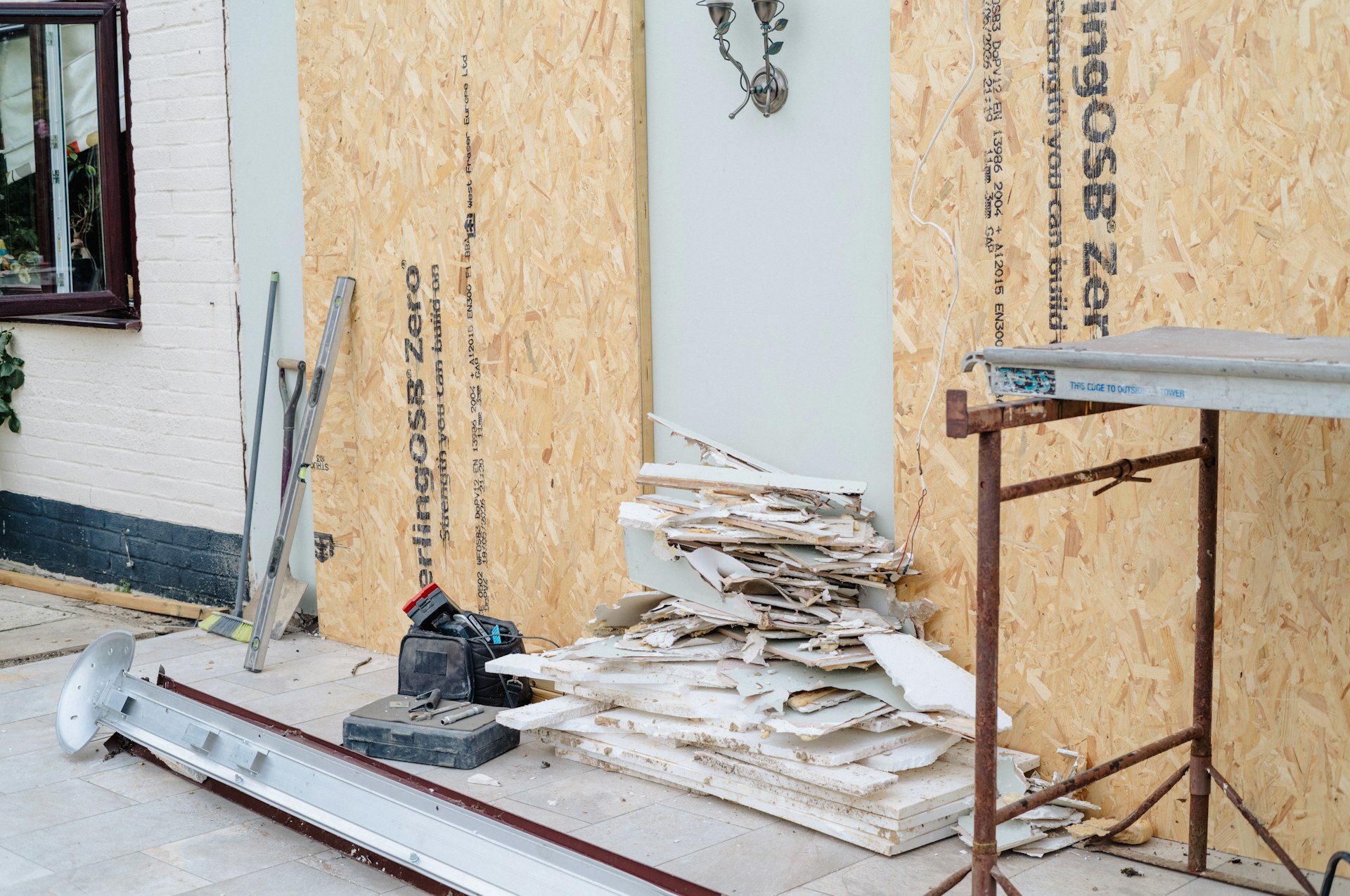
Wet drywall, floors and trim assessed, removed where needed and put back.

Air movers and dehumidifiers dry walls, subfloors and framing, checked with meters.
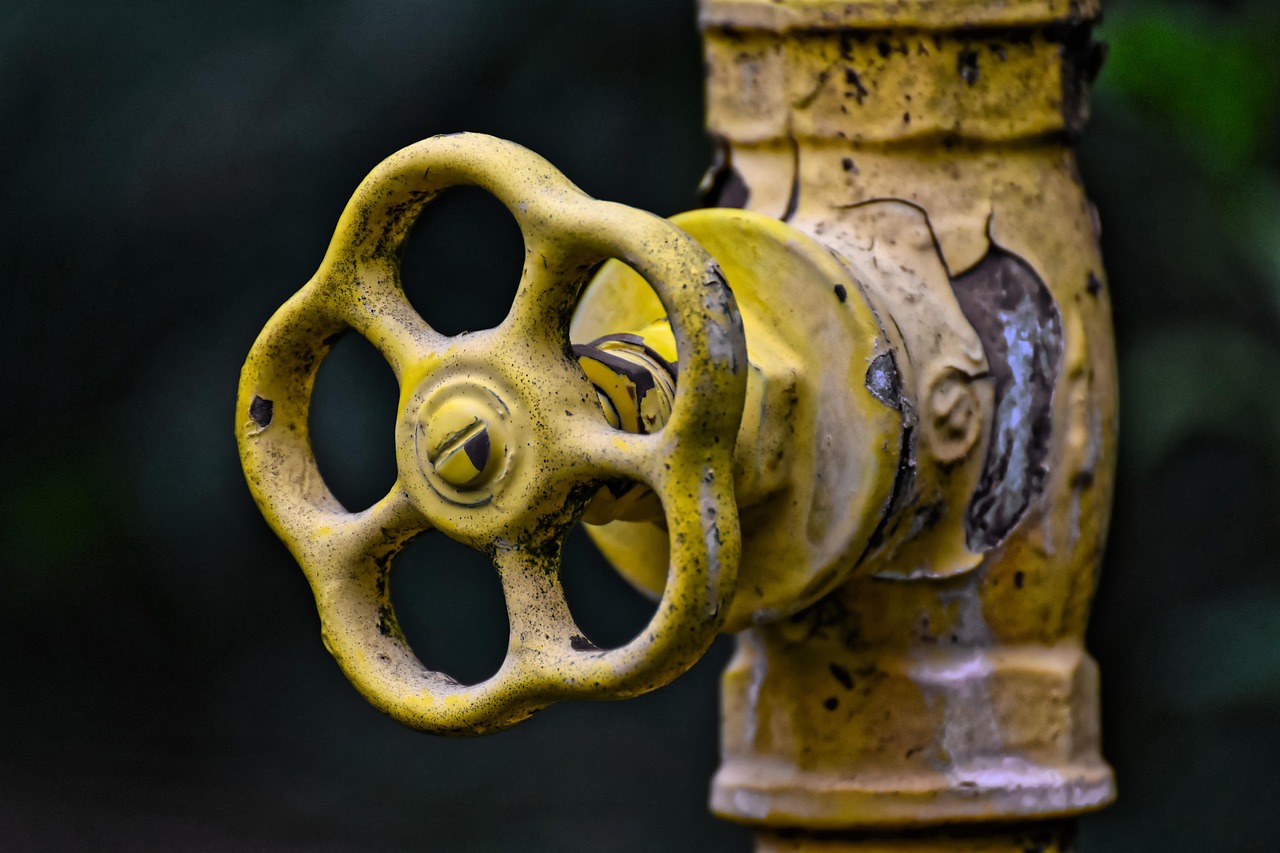
A pipe split in a cold snap? Water stopped, cleaned up and dried.

Water in the basement from a failed sump, a supply line or snowmelt, pumped out and dried.
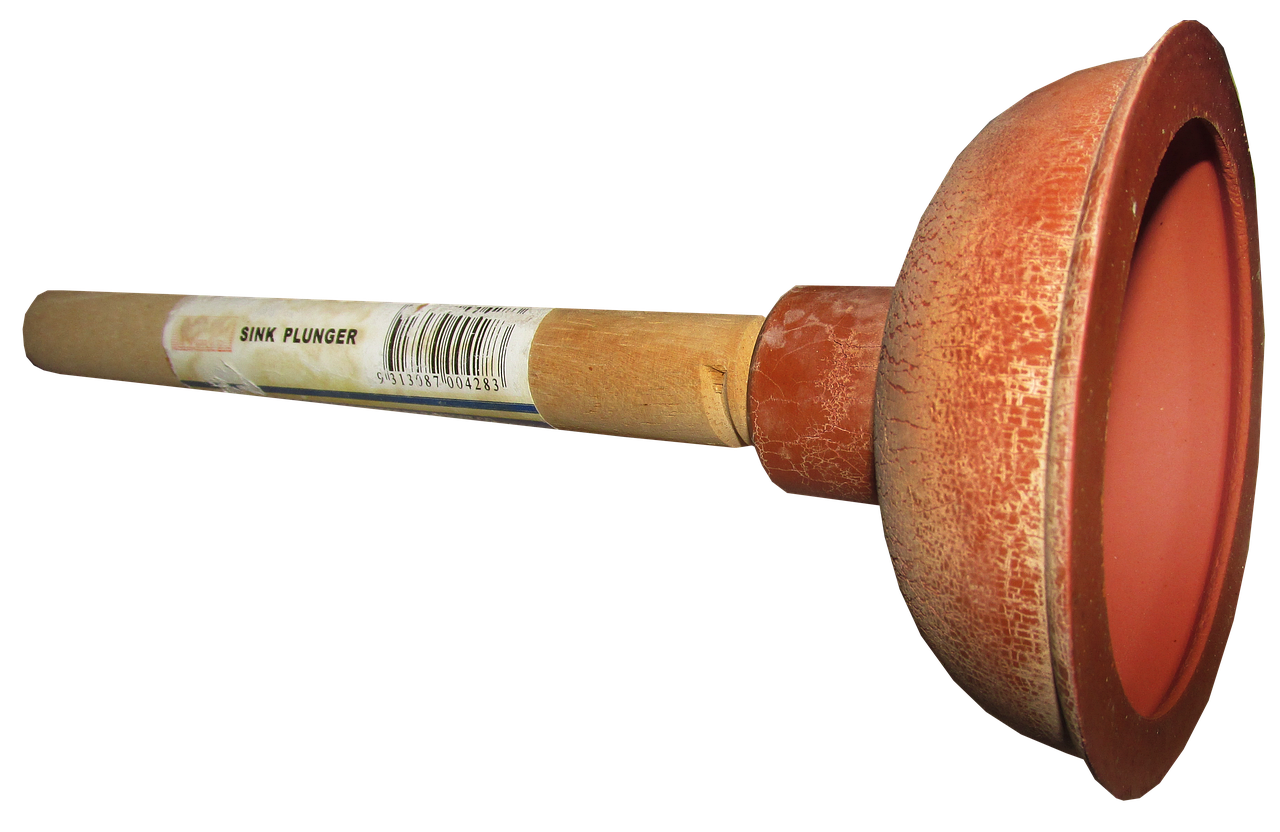
Sewage from a floor drain or toilet cleaned up safely, with affected materials removed.
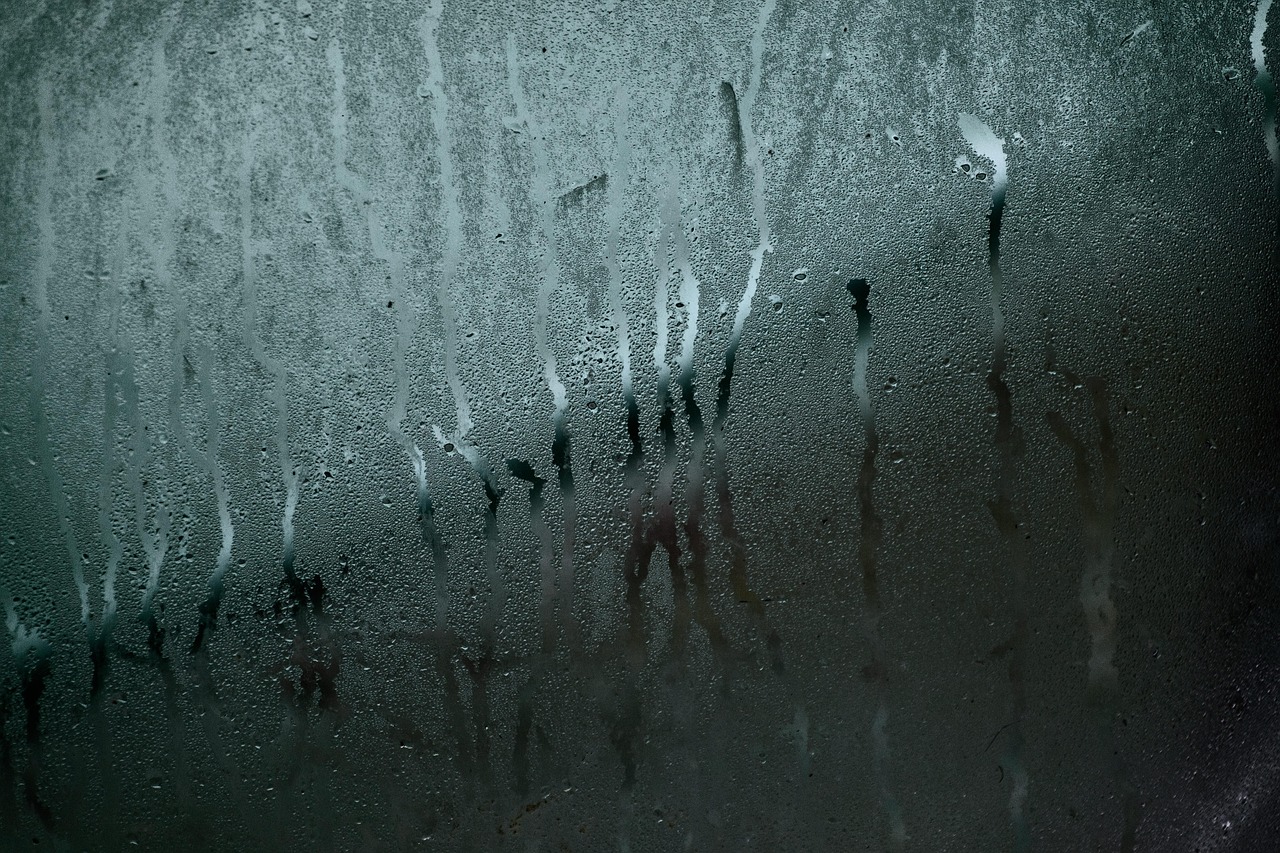

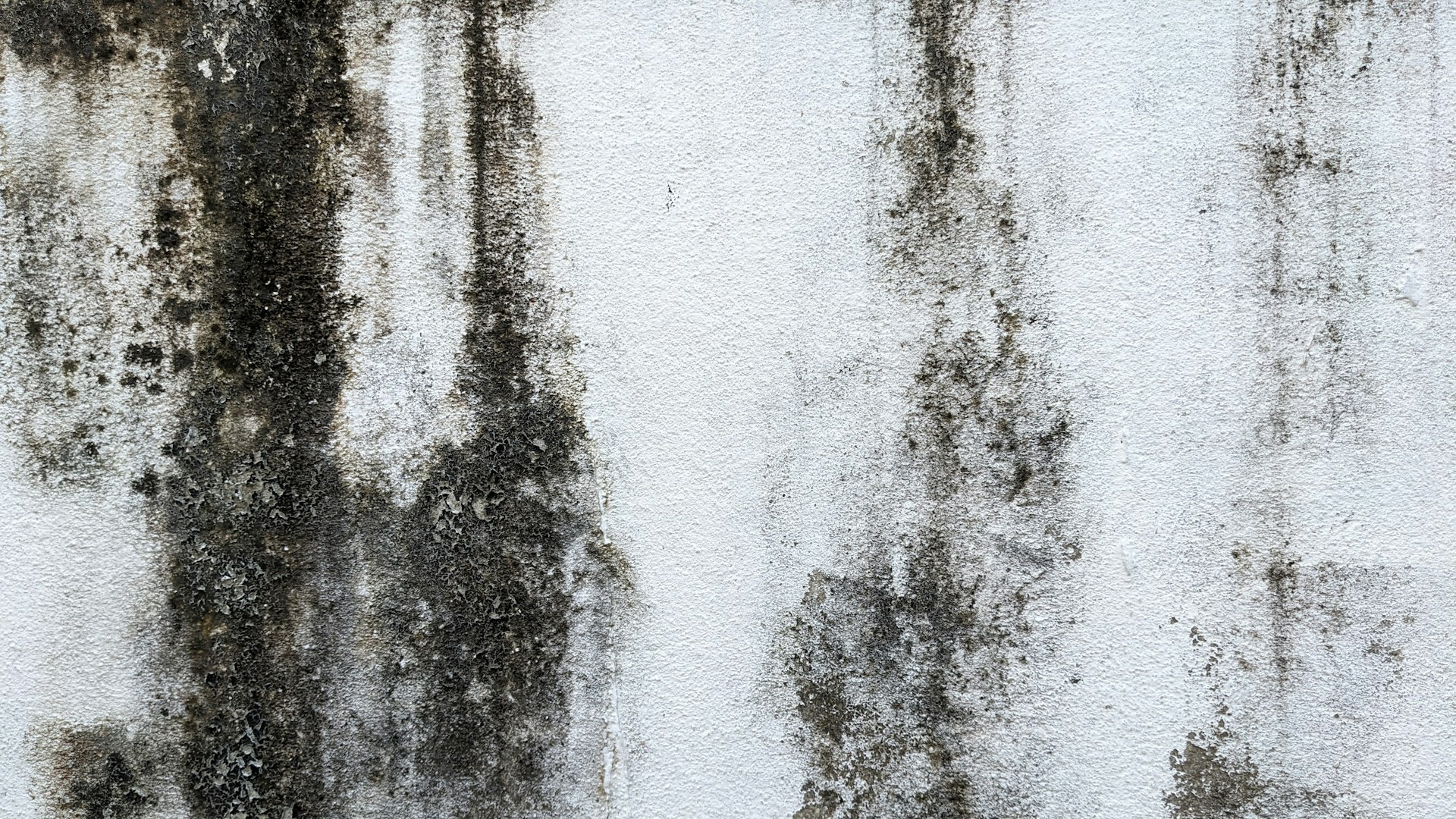
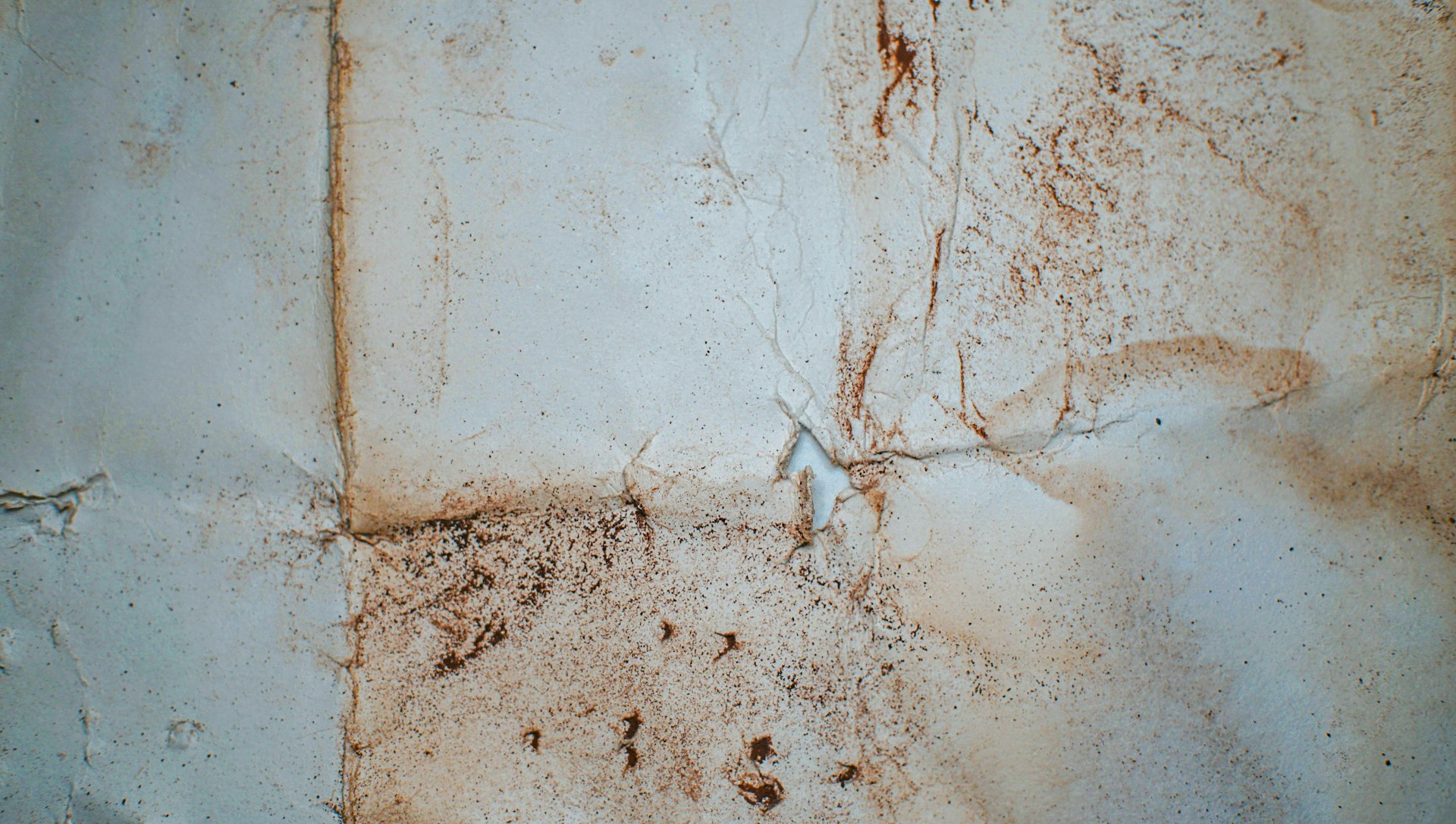
Representative photos of the kind of work local providers handle.
Talk to a local provider
One call connects you with an independent water damage restoration company that works in Castle Rock. They explain what they would do and how the price is set before anything starts.
(720) 731-0398